How Long Do Potatoes Last? (In the Pantry, the Fridge & Once They Sprout)
Potatoes are the most forgiving thing in the kitchen — cheap, filling, and happy to sit in a cupboard for weeks. Which is exactly why they’re also one of the most quietly wasted: the bag slides to the back, and by the time you reach for it there are pale sprouts reaching out, a green tinge here, a soft one at the bottom. So which of those spuds is still dinner and which is a bin job? The rules are simpler than the folklore, and most of them are about where you keep them, not how old they are.
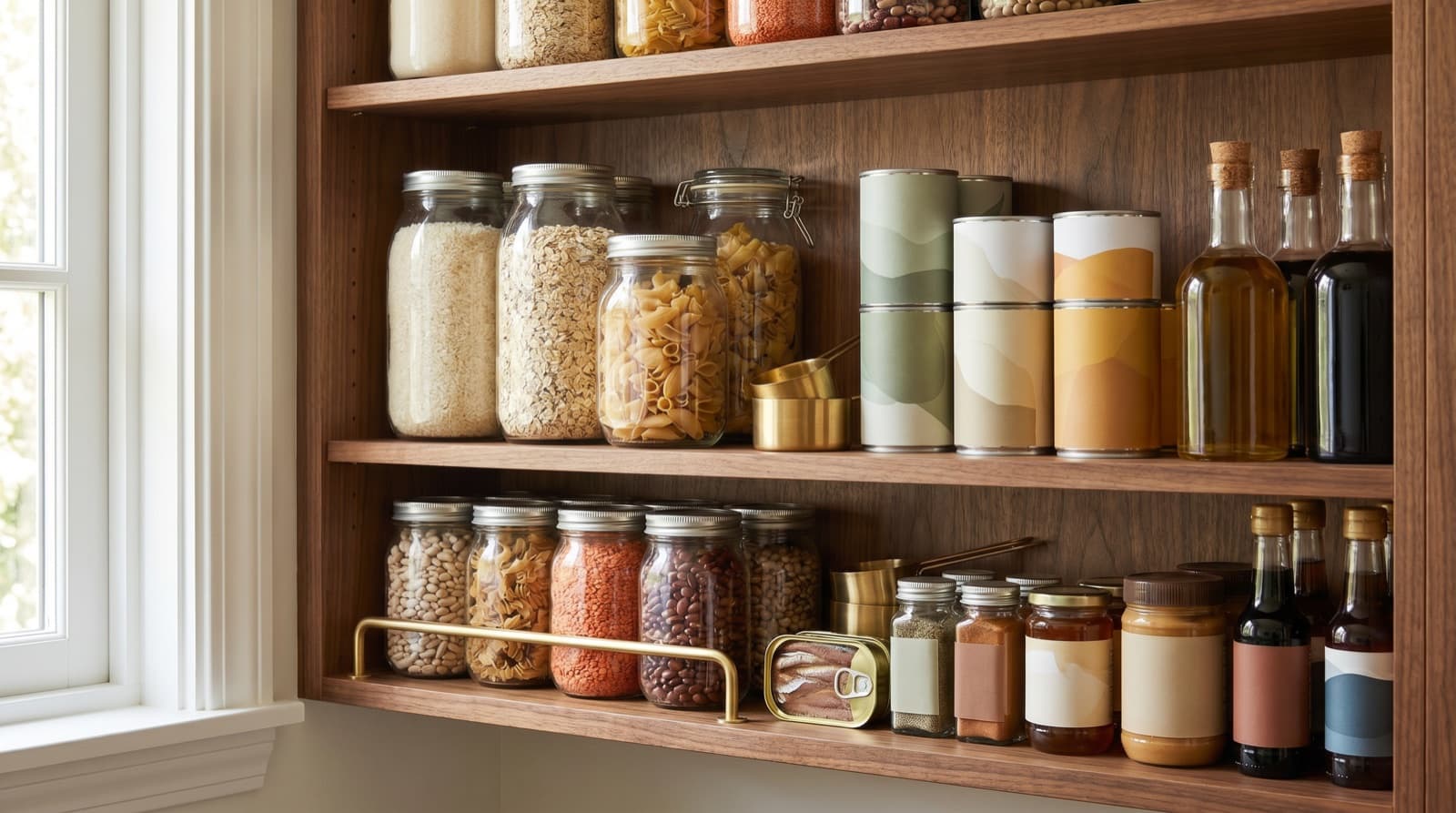
Potatoes get thrown away by the sackload — in the UK alone, households bin millions of tonnes of food a year, and potatoes are near the top of the list. Almost none of it is because the potatoes genuinely went off. It’s because they were stored somewhere warm and bright, sprouted early, and got binned on a guess. Fix the storage and you fix most of the waste.
The Short Answer: Weeks in the Cupboard, Months in the Cold
A bag of whole, raw maincrop potatoes keeps roughly 2–3 weeks in an average kitchen cupboard. Move them somewhere properly cool and dark — around 7–10°C (45–50°F), like a pantry, cellar, larder or unheated garage — and that stretches to 2–3 months. This is genuinely one of the longest-lasting fresh foods you can buy, which is what makes them such a good pantry staple.
The exceptions worth knowing: new and baby potatoes have thin, immature skins and last far less — about a week — so buy them in the quantity you’ll actually eat. Sweet potatoes sit in the same ballpark as maincrop, keeping a few weeks in a cool, dark spot, though they dislike the cold more and are happiest around room temperature.
The Three Enemies: Warmth, Light & Moisture
Everything about storing potatoes comes down to keeping three things away from them.
- Warmth makes them sprout. A cupboard next to the oven or above the hob is the worst spot in the kitchen — the heat wakes the potato up and it starts putting out shoots.
- Light turns them green. Any light — a sunny windowsill, even the kitchen strip-light on an open shelf — triggers greening and, with it, a rise in the bitter compound solanine. This is why potatoes should live behind a closed door.
- Moisture rots them. Damp is what turns a firm potato soft and slimy. Store them dry, don’t wash them until you’re about to cook, and never seal them in a plastic bag, which traps condensation.
The ideal home for potatoes is a paper or hessian bag, or a ventilated basket, in a cool, dark, airy cupboard. And keep them away from onions: onions give off moisture and gases that make potatoes sprout faster, which is why the classic advice is to store the two apart. Getting this right is the same instinct as organising your fridge by zone — the right food in the right place lasts dramatically longer.
So… Fridge or No Fridge?
This is the one that’s genuinely changed. For decades the rule was never refrigerate raw potatoes, because cold converts some of the potato’s starch into sugar, and those sugars can form more acrylamide — a compound of some concern — when the potato is later roasted, fried or crisped at high heat.
Then in 2017 the UK’s Food Standards Agency reviewed the evidence and reversed course, confirming that storing raw potatoes in the fridge at home is safe and that the old warning had overstated the risk. So the honest answer is: the fridge won’t hurt you. It’s simply not the best spot — a cool, dark cupboard keeps potatoes firmer and less sweet-tasting. If you do fridge them, roast or fry to a golden colour rather than dark brown, which keeps acrylamide low regardless.
Sprouts: Trim, Don’t Automatically Bin
Those pale shoots look alarming but they don’t mean the potato is ruined. If the potato is still firm, just rub or cut off the sprouts and the “eyes” they grew from before cooking — the sprouts and the skin around them are where the solanine concentrates. A firm, lightly sprouted potato is perfectly good food.
What you should bin is a potato that’s gone soft, wrinkled and heavily sprouted, or that has sprouted and turned green. By the time a spud is shrivelled and squishy, most of its water, texture and quality has already gone, and it’s not worth the trouble.
Green Potatoes: Peel Deep or Throw Out
A green tinge is chlorophyll, which is itself harmless — but it forms when a potato has seen light, and the same conditions raise levels of solanine, a natural toxin that’s bitter and, in quantity, genuinely makes you unwell. Solanine isn’t destroyed by cooking, so you can’t boil or roast the problem away.
The practical rule: a small green patch on an otherwise firm potato can be dealt with — peel deeply and cut away all the green and any sprouts, and the rest is fine to eat. A potato that’s extensively green, or that tastes bitter after cooking, should go in the bin. And don’t serve green potatoes to young children, who are more sensitive to solanine than adults.
Cooked Potatoes & the Foil-Wrap Trap
Once cooked, potatoes follow the ordinary leftovers rule: 3–4 days in the fridge in a sealed container, whether it’s roasties, mash, boiled new potatoes or potato salad. Cool them and get them refrigerated within two hours of cooking.
One specific hazard is worth flagging because it catches people out: a baked potato wrapped in foil and left sitting out at room temperature. The foil creates a low-oxygen pocket that’s a rare but real breeding ground for the bacterium that causes botulism. The fix is easy — unwrap baked potatoes to let them cool, and refrigerate them promptly rather than leaving a tray of them on the counter for hours.
Freezing: Cooked Yes, Raw No
Don’t freeze raw potatoes. Their high water content means they come out watery, grainy and often brown — disappointing every time. Cooked potatoes, on the other hand, freeze well: mash, roast potatoes, chips and blanched par-cooked potatoes all keep 2–3 months frozen with good texture. If you’re staring at a glut you can’t get through in time, the answer isn’t the freezer — it’s the oven or the pan first, then the freezer.
The Real Fix Is Not Losing Track of the Bag
Potatoes rarely go off because they’re old — they go off because they’re stored badly and then forgotten in the dark until they’ve half-sprouted. The storage half is easy: cool, dark, dry, not near the onions. The remembering half — using the bag while it’s still good, not rediscovering it three weeks later — is the bit most kitchens lose.
That’s part of why we built Pantree. It keeps track of what’s in your pantry and fridge and nudges you to cook things before they age out — so the bag of spuds turns into a traybake or a mash instead of a fistful of sprouts.
For the bigger picture, see how to stop wasting food and our full shelf-life reference for 30+ foods. For more of the series, see leafy greens, fresh herbs, bread, and what the dates actually mean.
The Point
Potatoes last far longer than the sprouting bag at the back of the cupboard suggests — weeks in the kitchen, months somewhere cold — but only if you keep them cool, dark, dry and away from the onions. Sprouted but firm? Trim and cook. Green, soft or bitter? Bin it. Get the storage right and a £1 bag of spuds keeps feeding you for a month instead of becoming compost by the end of the week.
Frequently Asked Questions
How long do potatoes last?
Whole, raw potatoes keep about 2–3 weeks in a typical kitchen cupboard, and up to 2–3 months in a cold, dark store around 7–10°C (45–50°F) — think a cool pantry, cellar or unheated garage. The three things that shorten that window are warmth, light and moisture: heat and light make them sprout and turn green, and damp makes them rot. New or baby potatoes have thinner skins and last less — roughly a week. Sweet potatoes sit in the same range as maincrop, keeping a few weeks in a cool, dark spot.
Should you store potatoes in the fridge?
For decades the advice was a flat no, because cold turns some of a potato's starch to sugar, which can produce more acrylamide when the potato is later roasted, fried or crisped at high heat. In 2017 the UK's Food Standards Agency reviewed the evidence and changed its guidance: storing raw potatoes in the fridge at home is fine, and the acrylamide risk had been overstated. So the fridge won't harm you. It's just not the best spot for texture or flavour — a cool, dark, airy cupboard keeps potatoes firmer and less sweet. If you do fridge them, roast or fry at a slightly lower temperature and to a golden, not dark-brown, colour.
Are sprouted potatoes safe to eat?
Usually, yes — if the potato is still firm and the sprouts are small. Just cut or rub off the sprouts and any 'eyes' they came from before cooking, since the sprouts and the skin around them concentrate the natural toxin solanine. What you shouldn't eat is a potato that's gone soft, shrivelled and heavily sprouted, or one that's turned green along with sprouting. When a spud is wrinkled and soft, most of its water and quality is gone anyway. Firm with a few sprouts: trim and cook. Soft, green or bitter: bin it.
Are green potatoes poisonous?
The green itself is just chlorophyll, which is harmless — but it forms when a potato has been exposed to light, and the same conditions raise levels of solanine, a natural glycoalkaloid that is toxic in quantity and tastes bitter. A small green patch on an otherwise firm potato can be dealt with: peel deeply and cut away all the green and any sprouts, and the rest is fine. If a potato is extensively green, or tastes bitter after cooking, throw it out — solanine isn't destroyed by boiling, baking or frying. Never serve green potatoes to young children, who are more sensitive to it.
How long do cooked potatoes last?
Cooked potatoes — roast, boiled, mashed or as potato salad — keep 3–4 days in the fridge in a sealed container, the same as most cooked leftovers. Cool them and refrigerate within two hours of cooking. One specific warning: a baked potato wrapped in foil and left at room temperature for hours is a genuine food-safety risk, because the foil creates a low-oxygen pocket where Clostridium botulinum can grow. Unwrap baked potatoes to cool, and refrigerate them promptly rather than leaving them out on the side.
Can you freeze potatoes?
Not raw — raw potatoes turn watery, grainy and brown in the freezer because of their high water content. Cooked potatoes freeze well, though: mash, roasties, chips and blanched par-cooked potatoes all keep 2–3 months frozen with good texture. If you've got a glut of raw potatoes you can't use in time, the move is to cook or par-boil them first, then freeze — not to freeze them whole and raw.
Don’t let the bag of spuds sprout in the dark.
Pantree tracks what’s in your pantry and what to cook before it ages out. Free on the App Store.