How Long Do Leftovers Last in the Fridge? (And When They Stop Being Safe)
Most leftovers don’t go in the bin because they spoiled. They go in the bin because nobody can remember when they arrived. Here’s the calendar, the rules, and the one habit that fixes the whole thing.
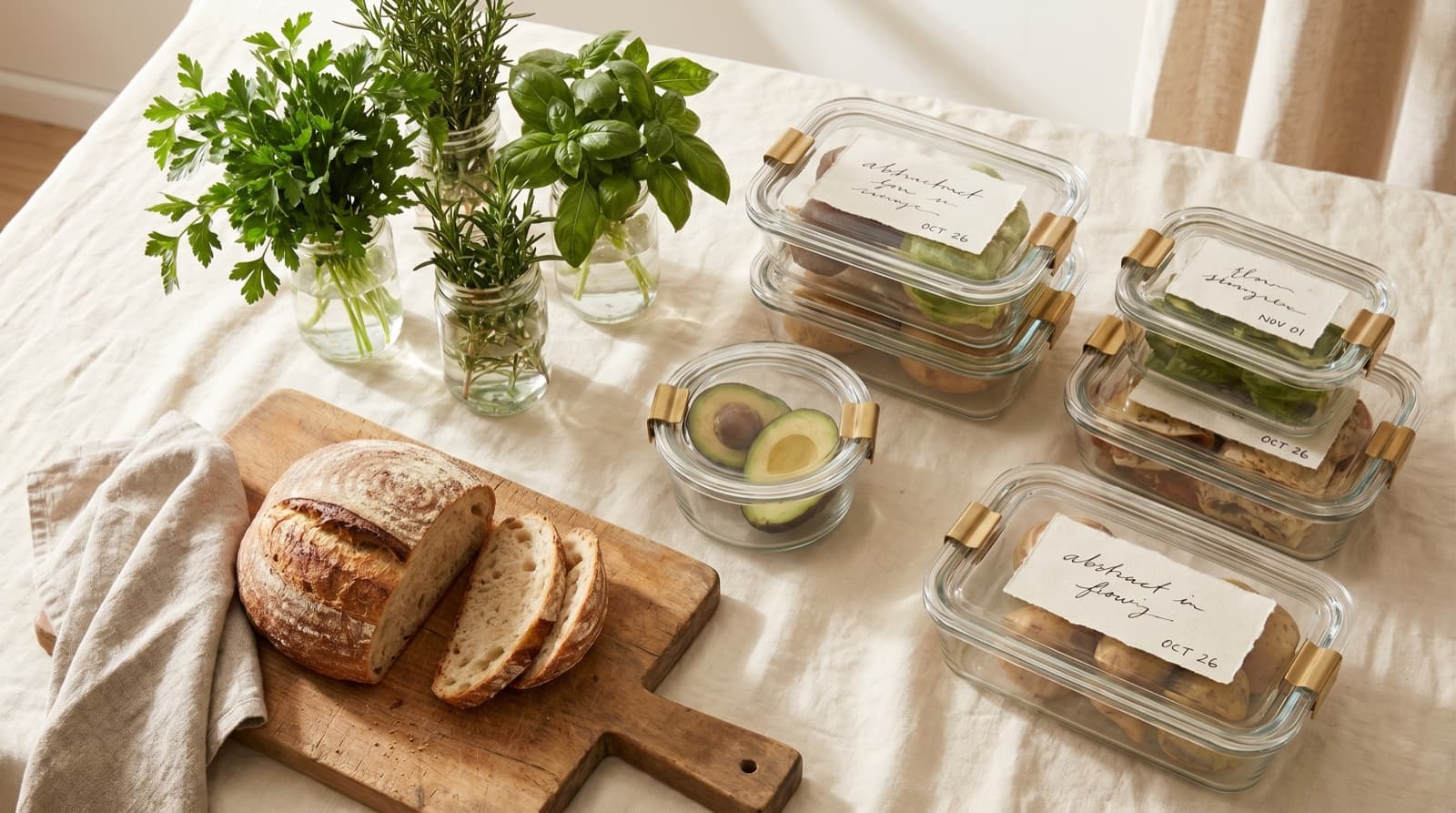
Open most fridges on a Saturday morning and you’ll find the same museum: a half tub of Monday’s chilli, a container of fried rice with no clear origin story, a curry that someone definitely made “last week” but possibly the one before. Almost all of it gets binned, not because it spoiled, but because no-one is willing to take the bet.
The bet is actually pretty manageable once you know two numbers: two hours from counter to fridge, and three to four days from then to the bin. The numbers come straight from the USDA / FoodSafety.gov cold-storage chart and the UK Food Standards Agency. They don’t change by ingredient as much as people think.
The Two-Hour Rule (And Why It Matters More Than the 4-Day One)
Cooked food is safest at the temperatures it just left. Above roughly 60°C / 140°F, bacteria don’t multiply. Below 4°C / 40°F, they multiply too slowly to matter. In between — the so-called danger zone — bacterial populations can roughly double every 20 minutes. Two hours at room temperature and a single bacterium has become several thousand.
That’s why every food-safety body agrees on the same rule: cooked food off the counter and into cold storage inside two hours. One hour if the room is above 32°C / 90°F — a sweltering kitchen, a barbecue, a Christmas dinner with the oven blasting since morning. Once that window closes, refrigerating later doesn’t undo the bacterial growth.
The four-day fridge limit assumes you got the first part right. If the leftovers sat out for three hours after dinner, their day-four expiration was already used up on the counter.
How Long Each Type of Leftover Actually Lasts
Numbers assume an airtight container, a fridge held at or below 4°C / 40°F, and food refrigerated within two hours of cooking. Slide any of those and every number below shrinks.
In the fridge
- Cooked meat & poultry (roast chicken, steak, pulled pork, mince, meatballs) — 3–4 days.
- Cooked fish & shellfish — 3 days. Oily fish (salmon, mackerel) go off faster than white fish.
- Soups, stews, chilli, curries, casseroles — 3–4 days. Dairy-heavy versions (chowder, korma): 2–3.
- Cooked rice, grains, pasta — 3–5 days. Rice is the strictest of this group because of Bacillus cereus — see our cooked rice deep dive for the full story.
- Cooked vegetables — 3–5 days. Roasted root veg holds best; cooked leafy greens are nearer 2–3.
- Pizza, fried chicken, takeaway boxes — 3–4 days. The breading and cheese go sooner than the meat.
- Gravy & stock — 1–2 days (dairy gravy) or 3–4 days (clear stock).
- Dressed salads & cooked egg dishes (potato salad, frittata, quiche) — 3–4 days.
- Sushi & raw-fish dishes — 24 hours, fridge or not.
In the freezer
- Most cooked meals (stews, curries, pasta sauces, casseroles, meatballs, soups) — 2–3 months for best texture, safe indefinitely at −18°C / 0°F.
- Plain cooked meat or poultry — 2–6 months; longer for whole roasts, shorter for thinly-sliced or minced.
- Cooked rice, grains, pasta — 1–2 months.
- Soups & stocks — 3–6 months.
- Fried foods, creamy sauces, custards — 1 month at the outside. Texture breaks down quickly.
At room temperature
Two hours. One hour if it’s genuinely hot in the room. After that, it’s a bin call regardless of how it looks. The cost of binning a portion is far less than the cost of a sick day.
The Cool-Down That Most People Get Wrong
The single biggest mistake isn’t the calendar — it’s leaving a single deep pot on the stove or counter to “cool down” before going in the fridge. A five-litre pot of chilli holds a warm core well past three hours. By the time it’s touching the fridge shelf, the bacterial clock has been ticking for half the night.
The fix: divide before cooling. Big batches into shallow containers, no more than 5cm / 2 inches deep, lid off until it’s no longer visibly steaming, then lid on and straight in the fridge. The old “don’t put hot food in the fridge” rule is from the era when fridges were inefficient and warm food would raise the cabinet temperature dangerously. Modern fridges absorb warm food without breaking a sweat — what they can’t do is rewind three hours of bacterial growth.
How to Reheat Leftovers Safely
One rule, three details:
- Reheat each portion once. The FSA is explicit: portion before storing so you only reheat what you’ll eat, and bin whatever’s left.
- Reheat to at least 75°C / 165°F all the way through. Piping hot in the centre, not just on the edges. A £5 instant-read thermometer takes the guesswork out.
- Stir, rotate, or cover. Microwaves heat unevenly; the cold spot in a tub of curry is usually the middle. Stir halfway and let it stand for a minute so the heat evens out.
Freezer to plate is fine without thawing for soups, stews, sauces and rice — straight from frozen with a splash of water. For dense pieces (roast chicken, lasagne wedges), thaw overnight in the fridge first.
How to Tell If a Leftover Has Gone
Most spoilage announces itself, but a few of the more dangerous toxins don’t. The visible signals, roughly in order of how often they appear:
- Off smell. Sour, ammonia, sulphurous or sweetly-rotten. Healthy leftovers smell faintly of what they are.
- Slimy or sticky surface. Common on cooked meat and poultry — a film that wasn’t there yesterday.
- Visible mould. White, green, blue or pink fuzz, or any furry patch on the surface. Bin the whole container — mould networks reach well past what you can see.
- Discolouration. Cooked meat turning grey or grey-green, sauces darkening unevenly, vegetables turning slick or translucent.
- Bubbles, fizz or hiss. A sauce or stew that’s started actively fermenting. Done.
The trickiest case is the leftover that looks fine but spent the night on the counter. Many of the worst offenders — Bacillus cereus, Staphylococcus aureus, Clostridium perfringens — produce toxins that are invisible, odourless and largely heat-stable. If the cool-down went wrong, bin it whether or not it looks alive.
The Habit That Actually Saves the Food
Every shelf-life chart in the world is useless if you can’t remember when the container went in. The single highest-leverage kitchen habit isn’t a clever new storage technique — it’s a sticky label on the lid with the date, and a system that nudges you to use the day-four chilli for dinner instead of letting it slide into day-seven mystery.
That’s most of why we built Pantree. It tracks what you’ve cooked, how long it’s been there, and what to do with it before it turns — so a tub of bolognese on day three surfaces three weeknight ideas it fits into, rather than getting binned on day eight.
For the wider context, see how to stop wasting food and the broader shelf-life reference for 30+ foods. If you’re trying to actually use the leftovers, the what-to-cook-with-what-you-have framework is the one to grab. For the rice-specific rules (the strictest leftover of all), see how long cooked rice lasts; for herbs, how long fresh herbs last.
The Point
Cooked leftovers last about as long as you treat them like food, not science fair specimens. Two hours from counter to fridge, three to four days inside it, two to three months in the freezer, reheat once to 75°C and label every lid. Do that and you’ll bin half as much food and spend roughly nothing extra to make it happen.
Frequently Asked Questions
How long do leftovers last in the fridge?
Most cooked leftovers keep for 3–4 days in an airtight container at or below 4°C / 40°F, provided they were refrigerated within two hours of cooking. The USDA and FDA both use 3–4 days as the safe baseline for cooked meat, poultry, fish, soups, stews, casseroles and most cooked vegetables. A few categories are shorter: cooked rice and seafood lean closer to 3 days, raw-fish sushi is 24 hours, and gravy with dairy is 1–2 days.
What is the two-hour rule for leftovers?
The two-hour rule means cooked food should be off the counter and into the fridge or freezer within two hours of being cooked or served. The window drops to one hour if the room is above 32°C / 90°F (a hot kitchen, a barbecue, a Christmas dinner with the oven on). Past that point, bacteria in the 4–60°C danger zone have multiplied enough that refrigerating later won't make it safe again. This is the single biggest lever on leftover safety.
Can you freeze leftovers, and how long do they keep?
Yes — freezing is the best move for anything you won't eat in 3 days. Most cooked leftovers keep their texture and flavour for 2–3 months at –18°C / 0°F. Soups, stews and casseroles freeze especially well; fried foods and creamy sauces less so. Freeze in flat, single-meal portions no more than 5cm / 2 inches deep, label with the date, and reheat from frozen straight into a pan or microwave — don't thaw on the counter.
How many times can you reheat leftovers?
Once. The UK Food Standards Agency is explicit on this: reheat each portion one time only, all the way through to at least 75°C / 165°F. Each cool-then-reheat cycle gives surviving bacteria another chance to multiply, and some toxins (Bacillus cereus in rice and pasta, Staphylococcus in handled meat) are heat-stable. Portion before storing so you only reheat what you'll eat.
How do you tell if leftovers have gone bad?
Trust your senses, but trust the calendar more. Obvious signs: a sour, ammonia or rotten smell, a slimy or sticky surface, mould (white, green, blue or pink fuzz), or a fizzy/bubbly look in soups and sauces. Cooked meat that's turned grey-green or developed an off odour is done. The catch: many spoilage organisms and the toxins they produce are invisible, odourless and tasteless. Anything past day 4 should be binned even if it looks fine.
Can you put hot leftovers straight into the fridge?
Yes, and you should. The old advice to cool things to room temperature first is outdated — modern fridges are built to absorb warm food without spoiling anything else, and leaving cooked food on the counter is exactly how leftovers get into trouble. For large batches (a stockpot of stew, a whole roast), divide into shallow containers first so the centre cools quickly. The fridge can handle warm; what it can't fix is two hours of bacterial growth on the counter.
Stop binning Tuesday’s dinner on Saturday.
Pantree tracks what’s in your fridge and what to cook before it turns. Free on the App Store.