How to Stop Wasting Food (A Realistic Guide for Busy People)
The average family throws away between $1,500 and $2,000 worth of food every year. Here are 7 realistic ways to cut that down, no guilt trips, just stuff that actually works.
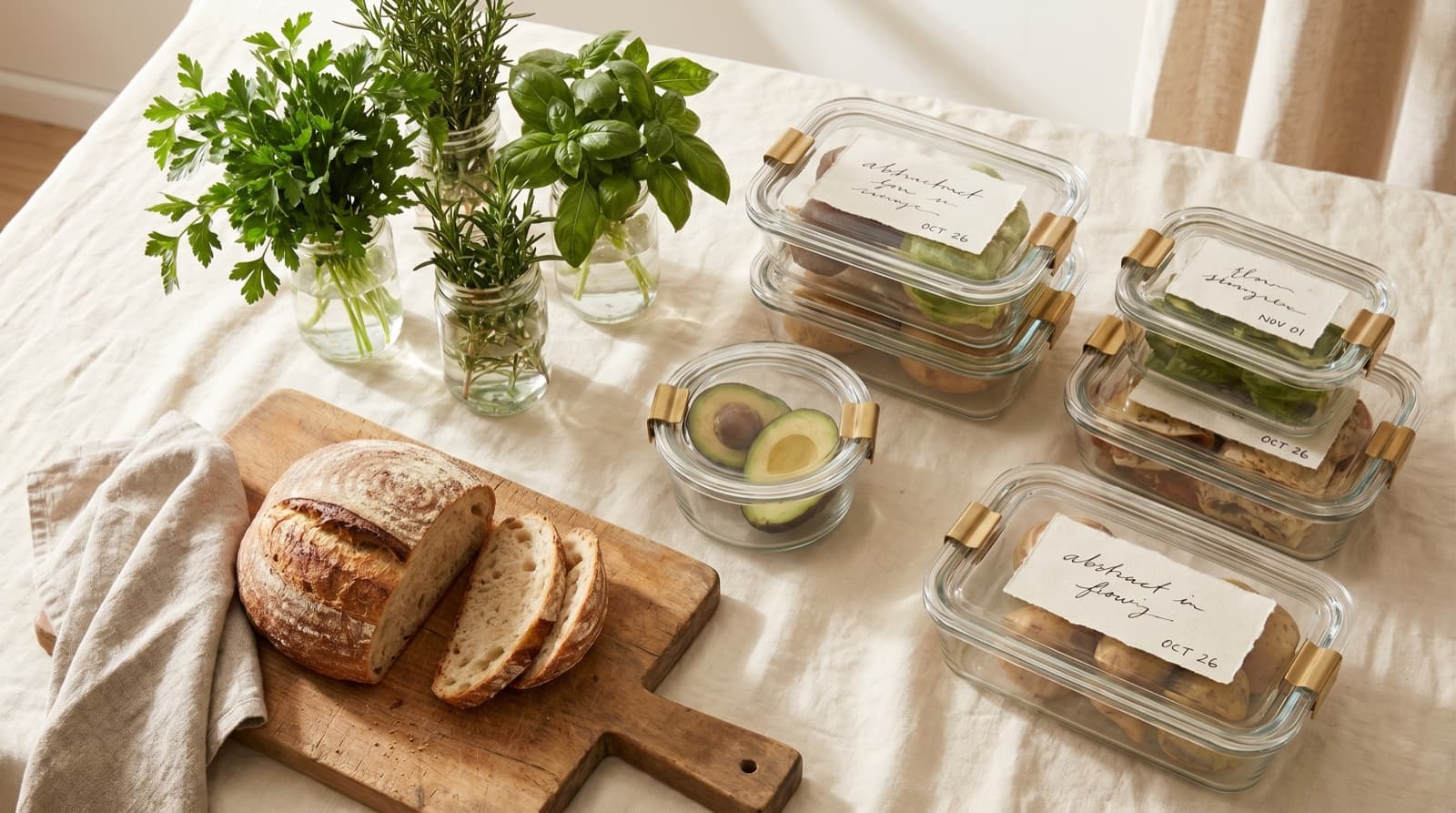
Be honest: how many times have you pulled a sad, slimy bag of spinach out of the fridge and whispered “I had such plans for you” before tossing it in the bin? If the answer is “more than I’d like to admit,” welcome, you’re in very good company.
The average household throws away roughly a third of the food it buys. According to the UN Environment Programme’s Food Waste Index, the world wastes around 1.05 billion tonnes of food every year, and households are responsible for the biggest share, about 631 million tonnes of that. Per person, that works out to 74 kilograms of food wasted per year in developed countries, roughly equivalent to throwing away one in every four bags of groceries you carry home. In dollar terms, the average family is tossing somewhere between $1,500 and $2,000 worth of groceries into the trash every year. That’s not a typo. That’s a holiday you could have taken instead.
But here’s the thing: most food waste isn’t because you’re careless or lazy. It’s because life is busy, kitchens are chaotic, and nobody taught us how to actually manage a pantry. So let’s fix that, no judgment, no guilt, just practical stuff that works in real life.
Why We Waste So Much Food (It’s Not Just You)
Before we get into the tips, it helps to understand why food waste happens so easily. Most of it comes down to three things:
We buy too much. You go to the supermarket hungry, or without a clear plan, and suddenly you’ve got three bunches of coriander and no idea why.
We forget what we have. That tin of coconut milk pushed to the back of the shelf? The leftover chicken buried under three containers of mystery sauce? Out of sight, out of mind, out of date.
We don’t use things in time. Fresh produce has a shockingly short window. Life gets in the way. You planned to make that stir-fry on Tuesday but ended up ordering pizza instead. No shame, it happens.
The good news is that small changes in how you shop, store, and plan can cut your food waste dramatically. You don’t need to become a zero-waste influencer. You just need a few better habits.
7 Realistic Ways to Reduce Food Waste at Home
1. Do a Weekly “Fridge Audit” (It Takes 5 Minutes)
The most effective way to reduce food waste at home is to audit your fridge and pantry before every grocery shop. Open the fridge, freezer, and cupboards. Check expiry dates. Move anything expiring within three days to the front, at eye level, so it gets used first. Take a quick photo or jot down what needs to go. This single habit, done in under five minutes, prevents the duplicate purchases and forgotten produce that cause most household food waste.
This sounds painfully obvious, but most of us skip it. We just write a list based on vibes and end up with duplicate jars of pasta sauce.
If you want to make this easier, Pantree lets you track what’s in your pantry with quantities and expiry dates, so you can check your inventory without physically digging through shelves. But even without an app, just opening the fridge before you write your shopping list is a game-changer.
2. Plan Meals Around What You Already Have
This is the single biggest lever for reducing food waste at home. Instead of finding a recipe and then buying everything for it, flip the process: look at what you already have and plan meals around those ingredients.
Got half a cabbage, some eggs, and leftover rice? That’s fried rice. Got chicken thighs that need to be used today, plus some random vegetables? That’s a sheet-pan dinner. A sad zucchini, some feta, and a handful of pine nuts? Pasta. The permutations are almost always there, you just need to look.
This is where an AI cooking assistant can genuinely help. Pantree’s AI Chef, for example, can suggest recipes based on what’s actually in your pantry, so instead of googling “what to make with random vegetables” and scrolling through 47 blog posts, you get personalised suggestions in seconds. But even without tech, the principle is the same: shop your kitchen before you shop the store.
Want a deeper guide to this approach? Our post on what to cook with what you have walks through a 4-slot framework for building meals from your pantry, plus 12 ingredient-pair patterns. And how to meal prep for the week covers exactly how to build a weekly plan around what you already have.
3. Write a Specific Shopping List (and Stick to It)
“I’ll just grab a few things” is the most expensive sentence in the English language. Going to the supermarket without a list is how you end up with impulse buys, duplicates, and ingredients for a recipe you’ll never actually make.
Write down exactly what you need, tied to specific meals you’re planning for the week. If you’re cooking pasta bolognese on Wednesday, you need tinned tomatoes, mince, and an onion, not “some vegetables” and “stuff for dinners.”
One trick that saves time: if you’re saving recipes from food blogs, TikTok, or Instagram, you can use Pantree to automatically generate a shopping list from those recipes. It pulls out all the ingredients and quantities so you’re not squinting at a reel trying to figure out if it said “2 cloves” or “2 bulbs” of garlic. (Big difference.)
4. Understand “Best Before” vs. “Use By”
This is one of the biggest sources of unnecessary food waste. Studies suggest that confusion over date labels contributes to around 10% of avoidable food waste in Europe. Many people treat “best before” dates as hard deadlines, but they’re really just quality indicators.
“Use by” = a safety date. Pay attention to this one, especially for meat, dairy, and pre-prepared foods. Do not eat food after its use by date.
“Best before” = a quality date. Your yoghurt might be slightly less creamy a day after, but it’s almost certainly fine. Use your senses, smell it, look at it, taste a small amount.
“Sell by” / “Display until” = for the shop, not for you. Ignore these completely.
Just knowing the difference can save you from throwing away perfectly good food every week.
5. Store Food Properly (It Makes a Huge Difference)
Proper storage can double or triple the usable life of your fresh produce. A few changes that actually make a measurable difference:
- Herbs: Trim the stems and stand them in a glass of water in the fridge (like a bouquet). They’ll last 7–10 days instead of 2–3 days loose in a bag.
- Bread: Freeze what you won’t eat in the next couple of days. Toast straight from frozen, works perfectly. Frozen bread keeps well for up to 3 months with no quality loss.
- Bananas: Separate them from the bunch, they ripen faster when touching. Wrap the stems in cling film. Separated and stem-wrapped, they last 3–5 days longer.
- Leafy greens: Wrap in a slightly damp paper towel before putting in a bag or container. The towel absorbs excess moisture that causes wilting, this can extend shelf life from 2–3 days to 5–7 days.
- Cheese: Wrap in baking paper, not cling film. It lets the cheese breathe without drying out. Hard cheese stored this way lasts 2–3 weeks longer.
- Avocados: If you’ve cut one in half, keep the pit in the unused half and squeeze lemon juice on the exposed surface. Store face-down in an airtight container. For even longer, place a cut onion half in the container, the sulphur compounds slow oxidation by an extra day or two.
These aren’t fussy tricks, they’re the kind of small adjustments that mean you’re actually eating what you buy instead of composting it.
6. Embrace the “Use It Up” Meal

Designate one night a week as “clean out the fridge” night. This is the night where you don’t follow a recipe, you just use whatever needs to go. The best vehicles for random leftover ingredients:
- Fried rice, works with any protein, any vegetable, any leftover grain. A splash of soy sauce ties it together.
- Frittata or baked eggs, wilting greens, any cheese, any cooked vegetable. Oven at 180°C for 15 minutes.
- Quesadillas, leftover chicken, beans, cheese, roasted veg. Anything goes between two tortillas.
- “Fridge pasta”, sauté whatever veg is near the end, add tinned tomatoes or cream, toss with pasta. Reliably good.
- Sheet-pan dinner, chop whatever needs using, drizzle with oil, season, roast at 200°C. Add a protein if you have one.
If you’re genuinely stuck on what to make with a specific combination of ingredients, Pantree’s AI Chef can suggest something that works, tell it what you’ve got and it’ll give you a real recipe, not a chaotic fridge smoothie.
7. Get Your Household on the Same Page
If you live with a partner, family, or housemates, food waste is a team problem. How many times has someone bought milk when there were already two cartons in the fridge? Or used the chicken you were saving for tomorrow’s dinner?
The fix is a shared system, not just asking people to check. Here are three approaches that actually work:
- A whiteboard on the fridge with what’s available and what needs using this week. Low-tech, surprisingly effective.
- A shared note or list app, a group note in iMessage or a shared Google doc for the household shopping list. Better than individual silos, still free.
- A shared pantry app, Pantree lets multiple people share a pantry inventory, shopping list, and recipe collection in real time. Everyone can see what’s in the fridge, what’s expiring, and what’s already on the list. No more duplicate milk. No more “I didn’t know you were saving that.”
The point is that everyone in the house can see what you have, what you need, and what’s about to expire, whatever system makes that happen works.
The Bigger Picture
If food waste were a country, it would be the world’s third-largest emitter of greenhouse gases, behind only the US and China. The food we throw away accounts for roughly 8–10% of global emissions, according to the IPCC. To put that in context, reducing food waste at home is one of the highest-impact individual actions available, more effective per household than switching to an electric car or going vegetarian.
Reducing food waste isn’t just about saving money, although, genuinely, you could save over $1,500 a year just by wasting less. You don’t have to be perfect. You don’t have to start composting or join a zero-waste movement (though composting what you can’t use is genuinely better than landfill). Even cutting your food waste by half makes a real difference, both to your wallet and to the planet.
Start Small, Build From There
If this list feels like a lot, just pick one thing. Do the fridge audit before your next grocery run. Or try one “use it up” meal this week. Or actually look at the dates on things before you toss them.
Small habits compound. And once you start noticing how much food you were throwing away, it’s hard to go back to not caring.
If you want a tool that makes all of this easier, tracking what’s in your kitchen, building smarter shopping lists, and getting recipe ideas based on what you actually have, give Pantree a try. It’s free to download, and it’s built for exactly this kind of everyday kitchen chaos.
Because you deserve to eat the food you buy. Even the spinach.
Frequently Asked Questions
How can I stop wasting food at home?
The most effective steps are: audit your fridge before every grocery shop, plan meals around what you already have rather than buying new ingredients, write a specific shopping list tied to those meals, and designate one night a week to cook from whatever needs using up. These four habits address the root causes of most household food waste.
What is the difference between 'use by' and 'best before'?
'Use by' is a safety date, food should not be eaten after this date, especially meat, dairy, and pre-prepared items. 'Best before' is a quality date, food past this date may be slightly less fresh but is almost always safe to eat. 'Sell by' and 'display until' are for retailers only and can be ignored entirely.
How much food does the average family waste per year?
The average family discards between $1,500 and $2,000 worth of food per year. Globally, households waste around 631 million tonnes annually, according to the UN Environment Programme's Food Waste Index. Per person, that works out to roughly 74 kilograms of food wasted per year in developed countries.
What foods get wasted the most at home?
Fresh produce is the most wasted food category, fruit and vegetables account for around 45% of global food waste. At home, the most common casualties are leafy greens (spinach, lettuce), bread, fresh herbs, dairy, and leftovers that get forgotten at the back of the fridge.
Is food past its best before date safe to eat?
In most cases, yes. Best before dates indicate quality, not safety. Yoghurt, cheese, eggs, tinned goods, and dry pantry staples are typically safe to eat days or weeks past their best before date, use your senses (smell, look, taste) to judge. The exception is 'use by' dates on meat, fish, and ready-made meals, which are genuine safety deadlines.
Does composting count as reducing food waste?
Composting is better than landfill, food in landfill produces methane, a potent greenhouse gas, whereas compost returns nutrients to soil. However, composting is downstream of the problem. The highest-impact action is not wasting the food in the first place: buying less, planning better, and using up what you have before it expires.
Ready to waste less food?
Download Pantree free on the App Store and start this week.