How to Save Recipes from Food Packaging (Tins, Boxes & Labels)
The recipe on the back of the tin was excellent. Then you threw the tin away. Here’s how to stop that happening.
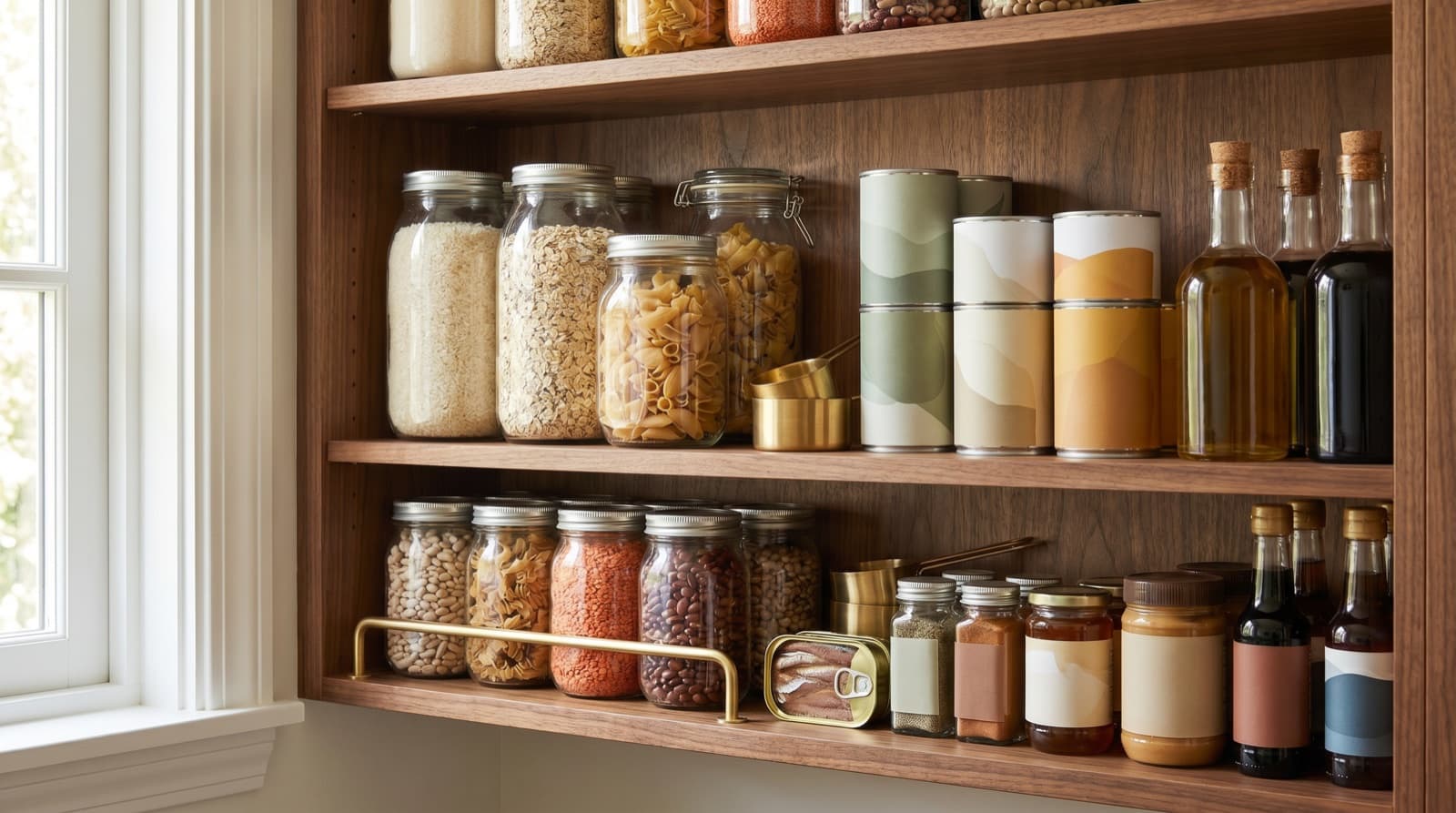
There is a whole category of recipe that only exists on something you throw away. The Heinz baked beans rarebit on the back of the tin. The one-pot pasta on the pasta packet. The granola bars from the oat box. The Carnation condensed milk fudge that half the country’s grandmothers made at Christmas, from a recipe that has been quietly reformulated at least twice.
These are not internet recipes. They are product-specific recipes, written and tested for the exact ingredient in your hands, by the people who know it best. And they live on the one piece of paper you are least likely to keep.
The pattern is identical to every other form of recipe fragmentation: a recipe appears somewhere inconvenient, you mean to save it, you don’t, and it’s gone. Only here the inconvenient place is coated in tomato juice and going in the recycling bin.
Why Packaging Recipes Are Worth Saving
Packaging recipes get dismissed as corporate filler. They’re often not. A recipe on the back of a stock cube tin was developed to make that stock cube taste good — the quantities are calibrated for that exact salt level, that exact intensity. A recipe on a Carnation tin was refined over decades because it sells tins. That is a different incentive structure to a food blogger optimising for page views.
According to The Grocer’s tinned food report, tinned goods are purchased primarily by budget-conscious shoppers who cook from scratch most evenings — exactly the people for whom a reliable, tested recipe on the back of the tin is genuinely useful. The Nestlé recipe line, for example, runs to hundreds of tested recipes across their brand range, many of which have never appeared in full on their website.
On top of that: brands quietly remove recipes from packaging all the time. A redesign, a regulatory change, a shift in marketing direction, and the recipe that was there last year simply isn’t there next year. Heinz UK removed several classic back-of-tin recipes during a packaging rebrand. Nestlé has reformulated the Carnation fudge recipe more than once. The version you know is the version on the packaging in front of you. That is the only place it currently exists.
The Problem with Saving Packaging Recipes
The obvious approach is to keep the packaging. This is roughly how well it works: you keep the cereal box long enough for it to clutter the kitchen, then throw it out when you can’t remember if you’ve already used the recipe. Or the tin goes in the bin before you think to photograph it. Or you do photograph it, it sits in your camera roll as a blurry label shot between two holiday photos, and you can’t find it three weeks later when you want to make the dish again. We covered why this fails in how to organise recipes from screenshots.
Searching for the recipe online afterwards is unreliable for the reasons above: reformulation, regional variants, discontinued products, brand websites that bury recipes three menus deep behind a cookie consent wall. You might find it. You might find a different version. You might find nothing at all.
The Methods, Ranked
Option 1: Keep the packaging (doesn’t work)
Boxes and tins are bulky, get damp, and eventually leave. In practice this means the recipe survives until the next kitchen clean, which is roughly when you want to make it again. Hard no.
Option 2: Google it afterwards (unreliable)
The brand may have it. A fan-site may have an older version. Reddit might have it. Or you get a generic SEO recipe for the same dish that doesn’t use the specific product you bought. For anything with a reformulation history — condensed milk fudge, baked beans recipes, stock cube soups — you are not guaranteed to find the version that was actually on your tin.
Option 3: Photograph the label (better, still incomplete)
A photo is genuinely yours, survives the recycling, and doesn’t require internet luck. The problem is it ends up in your camera roll as an image you cannot search by ingredient, scale for six people, or turn into a shopping list. It is better than nothing. It is not a recipe library.
Option 4: Import it into a recipe keeper (the fix)
The move that fixes all of this is to take the recipe off the packaging and put it somewhere built for cooking. In Pantree, you start a new recipe, type or paste in the ingredients and method from your photo, and hit save. What you get:
- A recipe that survives the bin. No packaging required, no brand website required, no chance of reformulation changing the version you rely on.
- Quantities you can scale. The box recipe serves four. You need to make it for eight, or just for yourself. Adjust once and the ingredient list updates.
- Your notes, attached. Added a pinch of smoked paprika, reduced the milk by a splash, cooked it five minutes longer than the packet said: record what worked. The printed recipe is the baseline; your version is the one you’ll actually cook.
- Search by ingredient. “What can I make with the coconut milk and the chickpeas?” works as a question when your packaging recipes are in the same library as everything else.
- A shopping list, automatically. Pick two or three recipes for the week and the ingredients deduplicate against your pantry into one list. No tin-buying surprises.
- One library, every source. The same app holds your Reddit saves, your TikTok finds, your newsletter recipes, and now the packaging recipes you would otherwise bin. One place to look when you need dinner.
The Two-Minute Habit
You don’t need to save every recipe on every packet in your cupboard. Start with the next one that matters:
- Before you open the tin or packet, take one clear photo of the recipe panel. The whole thing — ingredients and method.
- While you cook, make a mental note of what you changed. More garlic. Less time. Added a splash of wine. Those notes are the version you will actually want to repeat.
- After eating, spend ninety seconds transcribing the recipe from the photo into your keeper app. Add your changes. Delete the photo.
- Recycle the packaging. The recipe is yours now.
Do this consistently and a part of your recipe collection becomes genuinely yours — not links to pages someone else controls, not screenshots you can’t search, but clean, tested recipes calibrated to the ingredients you actually buy. And when the brand reformulates, when the product gets discontinued, when the back of the box changes next year: your version is already saved.
The broader principle is the same as reducing food waste: the work is in the habit, not the tool. A recipe that took ten minutes to cook and two minutes to save will feed you for years. A recipe you meant to save and didn’t will feed you exactly once.
Frequently Asked Questions
Can I find the packaging recipe online after I've thrown the box away?
Sometimes — but less reliably than you'd hope. Brands publish some recipes on their websites, and fan-sites collect others. The problem is reformulation: the recipe on the box this year may differ from the one printed three years ago, regional variants exist, and discontinued products disappear entirely. If you already know the version that worked, the safest move is to save it the moment you cook it rather than trust that the brand's site will hold the same version indefinitely.
What food packaging usually has recipes on it?
Tinned tomatoes, beans and pulses almost always do. Pasta and dry noodles, rice and grain packets, stock cubes and bouillon jars, condensed soups, coconut milk tins, evaporated milk, tomato purée and passata, dried herbs and spice blends, cereal boxes (especially granola and muesli), and baking ingredients like oats, golden syrup and treacle. Sauce and marinade bottles sometimes carry serving suggestions that are effectively recipes in brief. Ready-to-roll pastry, filo and crescent dough invariably include at least a few bakes on the back.
Can I photograph a label and import it into Pantree?
Yes. Take a clear photo of the recipe on the packaging, then open Pantree and transcribe the ingredients and method into a new recipe. The result is a clean, searchable recipe card with editable quantities you can scale, and ingredients that roll into a shopping list next time you want to make it. The original label can go in the recycling guilt-free.
The label got wet and the text is illegible. Can I still get the recipe?
If it's a common product, search the brand's site or do an image search for the product name plus 'recipe'. Reddit's cooking communities sometimes have it too — r/Cooking or r/EatCheapAndHealthy may have someone who made it from the same box. If you've already cooked it once, write down what you remember while it's fresh: you'll have the rough quantities from feel, and one or two test cooks will calibrate the details better than a blurry label anyway.
Do brands ever remove recipes from their packaging?
Yes, and more often than most people expect. Brands redesign packaging, simplify labels for regulatory reasons, reformulate products, and drop recipes entirely when they run out of space or change their marketing angle. Heinz UK removed several classic back-of-tin recipes during a recent rebrand; Nestlé has reformulated the Carnation fudge recipe more than once. Saving it while you have it is the only insurance against that.
Is it worth the effort to save recipes from packaging?
For the ones you actually make: absolutely. Packaging recipes are often the best possible match for an ingredient because they were written and tested for the exact product in your hands. The effort to save one is about ninety seconds. The alternative is buying another tin the next time you want to make it and hoping the recipe is still the same.
Save the recipe before the tin goes in the bin.
Pantree turns a packaging recipe into a clean, searchable card with a shopping list — in about ninety seconds. Free on the App Store.