How Long Do Grapes Last? (Counter, Fridge & the Washing Mistake That Rots Them)
Most households wash their grapes the moment they get home from the shops. It feels like the right thing to do — clean food goes in the fridge. It is also, almost certainly, the reason your grapes last three days instead of ten.
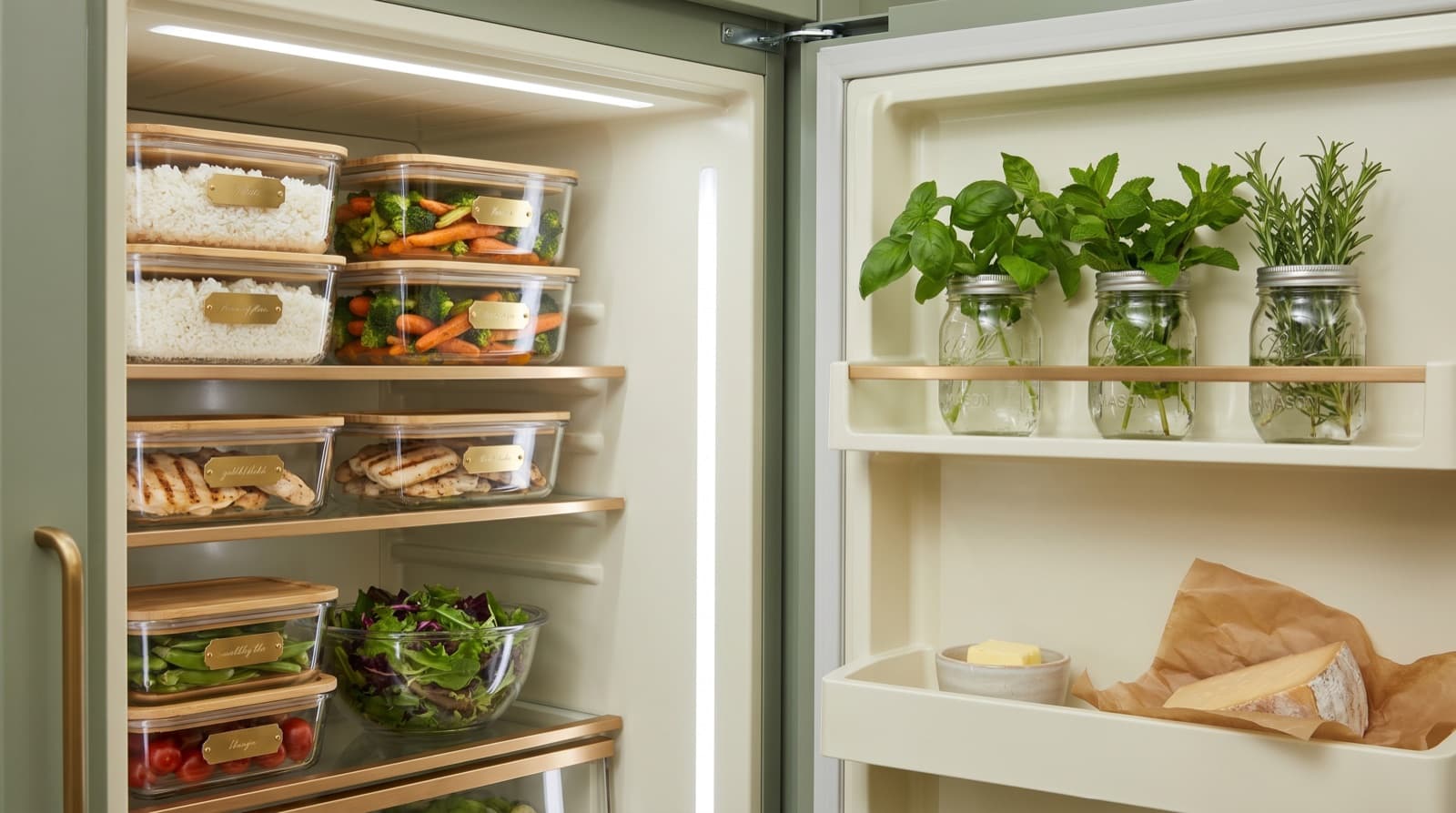
The Numbers at a Glance
| Form / Condition | How long it lasts |
|---|---|
| Counter (room temperature) | 1–2 days |
| Fridge — unwashed, in bag | 1–2 weeks |
| Fridge — after washing | 2–4 days |
| Frozen (stemmed, single-layer frozen) | 10–12 months |
These figures align with guidance from StillTasty and the FoodSafety.gov cold-storage charts. Actual shelf life varies by grape variety (thicker-skinned red and black grapes generally outlast thin-skinned green varieties by a day or two), how ripe they were at purchase, and how cold your fridge runs — the colder the better for grapes, ideally 0–2°C.
The Washing Mistake: Why It Halves Shelf Life
The bloom — the natural whitish, waxy coating on the skin of a grape — is not dirt or pesticide residue. It is the grape’s own moisture barrier, produced by the grape itself. It slows water loss, reduces mould attachment, and is entirely safe to eat.
When you wash grapes before storing them, you remove or disrupt the bloom and leave microscopic water droplets in the tiny crevices around each grape and between the stem and skin. That moisture is the precise condition that Botrytis cinerea — the grey mould common to soft fruit, also known as grey rot — needs to establish and spread. In a cold fridge, it spreads slowly; at room temperature, quickly. Either way, pre-washed grapes will show soft spots and fuzzy mould within two to four days, regardless of how cold the fridge is.
The fix is straightforward: wash grapes immediately before eating, not when you bring them home. This one habit is the single biggest lever on grape shelf life.
Fridge Storage: What Actually Matters
Beyond the washing rule, fridge storage for grapes is simple. Keep them in their original ventilated bag — the small perforations allow excess moisture to escape rather than condense — or in an open container lined with a layer of paper towel to absorb any ambient moisture.
A few things to avoid:
- Fully sealed containers. Grapes respire and produce small amounts of ethylene gas as they age. A completely sealed container traps this gas, which accelerates softening and deterioration faster than the ventilated original bag.
- The fridge door. Temperature in a fridge door swings more with each opening than on the main shelves — aim for a consistent cold spot on a main shelf, ideally near the back where temperatures are most stable.
- Next to strong-smelling foods. Grapes absorb odours readily. Keep them away from cut onions, pungent cheese, or anything pickled. This is a quality issue rather than a safety one, but onion-scented grapes are not a pleasant surprise.
- Near ethylene-producing fruit. Apples, bananas, and avocados release ethylene gas that accelerates ripening and softening in nearby produce. Store grapes on a different shelf from a fruit bowl or any ethylene-heavy fruit. See the guides to how long apples last and how long bananas last for more on ethylene.
Counter Storage: Almost Never the Right Call
Grapes on the counter last 1–2 days at room temperature before they begin to shrivel and soften. Unlike bananas, mangoes, or avocados, grapes do not ripen further after picking — they are non-climacteric fruit, which means there is no “let it ripen on the counter” phase. Room temperature only degrades them.
The counter is acceptable when you are eating the grapes within the hour and have just brought them home from the shops — serving a bunch of cold grapes straight from the fridge is perfectly fine, but if you prefer them at room temperature, 30–60 minutes out of the fridge is enough. Beyond that, return them to the fridge.
Freezing Grapes: Better Than You Think
Frozen grapes have an unexpectedly dedicated following, and for good reason. The technique is almost embarrassingly simple and the result is useful in several ways:
- Remove grapes from stems and discard any that are already soft or shrivelled.
- Wash and dry thoroughly. Unlike fresh storage, you wash before freezing — but the drying step matters. Pat the grapes dry with a clean tea towel and allow them to air-dry for 20 minutes. Surface moisture causes clumping in the freezer.
- Spread in a single layer on a lined baking sheet. Leave space between each grape.
- Freeze for 2–3 hours until each grape is individually solid.
- Transfer to a labelled freezer bag. Because they were individually frozen first, the grapes remain loose rather than fusing into a single clump. Frozen grapes keep for 10–12 months.
What frozen grapes are good for:
- Wine and juice chillers. Drop a handful of frozen grapes into a glass of wine instead of ice cubes. They chill the drink without diluting it and are edible when you finish — cold, slightly slushy, and sweeter than room-temperature grapes.
- Smoothies. Frozen grapes replace ice in a smoothie while adding sweetness and flavour. Mango, berries, and grapes frozen together make a ready-to-blend fruit base.
- Sorbet. Blend frozen grapes with a squeeze of lemon juice in a food processor for an instant, two-ingredient sorbet. No ice cream maker required.
Frozen grapes do not thaw back to fresh-eating quality — they become soft and watery when thawed, similar to frozen pineapple. Use them frozen or blended, not thawed in a fruit bowl.
Green, Red, and Black Grapes: Does Variety Matter for Storage?
All three store by the same rules, but there are minor differences:
- Green grapes (Thompson Seedless, Muscat) tend to have thinner skins and a slightly shorter window — 1–1.5 weeks at the top end rather than the full 2 weeks a thick-skinned red can achieve.
- Red grapes (Flame Seedless, Crimson, Red Globe) and black grapes (Concord, Black Muscat) typically have thicker skins that provide more natural resistance to mould and moisture loss.
The difference is marginal — two or three days at most — and the washing rule matters far more than variety for real-world shelf life.
How to Tell If Grapes Have Gone Bad
Grapes give clear signals when they are past their best:
- Soft, mushy, or wrinkled flesh. Fresh grapes are firm and plump with a slight give under gentle pressure. Grapes that press flat without resistance, or that have developed a sunken, wrinkled look, have either dried out or are rotting from within. Wrinkled grapes are safe to eat (they are effectively starting to raisin) but the texture is disappointing; mushy, wet grapes should be discarded.
- Mould. White, grey, or green fuzzy growth anywhere on the bunch means those grapes should go. Botrytis mould spreads between grapes in contact with each other, so remove all affected grapes and inspect the rest carefully. Any grape that shared surface contact with a mouldy one should be eaten immediately or discarded.
- Fermented or sour smell. A bunch of fresh grapes smells gently sweet and fruity. Grapes that have started to ferment smell sour, sharp, or faintly alcoholic — similar to the smell of cheap wine or vinegar. This is the sugars in the grape beginning to convert under the action of wild yeasts. The grapes are not immediately dangerous to eat but they are well past their best.
- Brown stems. Stems turn brown and dry as grapes age — this alone is not a reason to discard the grapes, as the fruit can still be fine. Combine brown stems with soft flesh and you have a bunch that is at its end.
The Food Waste Picture
According to WRAP’s UK household food waste report, fresh fruit accounts for a significant share of home food waste, with soft fruit and grapes among the most commonly discarded items. The waste is almost entirely avoidable — it happens because of the washing-before-storage habit, buying more than a household can eat in a week, and not knowing that freezing is a viable option.
A 500g bag of grapes costs roughly £1.50–£2.50. At those prices, the habit of pre-washing and then watching half the bunch go mouldy by day three is costing UK households meaningfully across a year. The fix — wash before eating, not before storing — takes no extra time and requires no additional equipment.
For the broader strategy on reducing soft-fruit waste, see the guides to how long berries last, how long citrus lasts, and the general overview of reducing food waste at home.
Frequently Asked Questions
How long do grapes last in the fridge?
Unwashed grapes stored in the fridge in their original ventilated bag or an open container last 1–2 weeks. Washed grapes last only 2–4 days in the fridge — moisture on the skin dramatically accelerates mould and rot. The rule is simple: rinse grapes right before you eat them, not when you unpack the shopping.
How long do grapes last on the counter?
Grapes left at room temperature last just 1–2 days before they begin to shrivel, go soft, and develop mould. Unlike bananas or mangoes, grapes do not ripen or improve on the counter after picking — they only degrade. Unless you are eating them within the hour, grapes belong in the fridge.
Should you wash grapes before storing them?
No. Washing grapes before storing them is the most common reason grapes go off quickly. The moisture left on the skin after washing creates the ideal environment for mould spores (particularly Botrytis cinerea, the grey mould common on soft fruit) to establish and spread. Wash grapes immediately before eating, not when you bring them home.
Can you freeze grapes?
Yes — and frozen grapes are genuinely useful. Spread unwashed, stemmed grapes in a single layer on a lined baking sheet and freeze for 2–3 hours until solid, then transfer to a freezer bag. Frozen grapes last 10–12 months. They don't thaw well for fresh eating (they become soft and watery), but they work brilliantly as ice cubes in wine or juice, blended into smoothies, or folded into sorbets.
How do you tell if grapes have gone bad?
Signs grapes have turned: soft, mushy or wrinkled flesh (fresh grapes are firm and plump); white, grey or green fuzzy mould anywhere on the bunch (mould spreads quickly — discard the affected grapes and check the rest carefully); a sour, fermented or vinegary smell; and stems that are completely brown, dry and shrivelled. Brown stems alone aren't a dealbreaker — the grapes underneath can still be fine — but combine brown stems with soft flesh and you have a bunch that's past it.
How long do grapes last after washing?
Washed grapes kept in the fridge last 2–4 days. The moisture accelerates mould growth, so once washed the clock runs fast. If you have washed a large bunch and won't eat it all quickly, spread the grapes on a clean tea towel and allow them to dry as thoroughly as possible before returning them to the fridge in a container — the drier the surface, the longer they'll last.
Stop losing track of what’s in your fridge.
Pantree tracks what’s in your pantry and fridge, reminds you before things are about to turn, and turns what you have into tonight’s recipe. Free on the App Store.