How Long Do Condiments Last? (Ketchup, Mayo, Mustard & What Needs the Fridge)
The fridge door is where condiments go to be forgotten. Three ketchups, two mustards, a jar of something green from a recipe you made once — all of them past a date nobody can read, none of them clearly safe or clearly off. The good news is that most condiments are built to last: salt, sugar, acid and vinegar are preservatives, which is precisely why these jars survive months of neglect. But a few are quietly on a much shorter clock. Here’s how long each one really keeps, which ones genuinely need the fridge, and how to tell when one has finally turned.
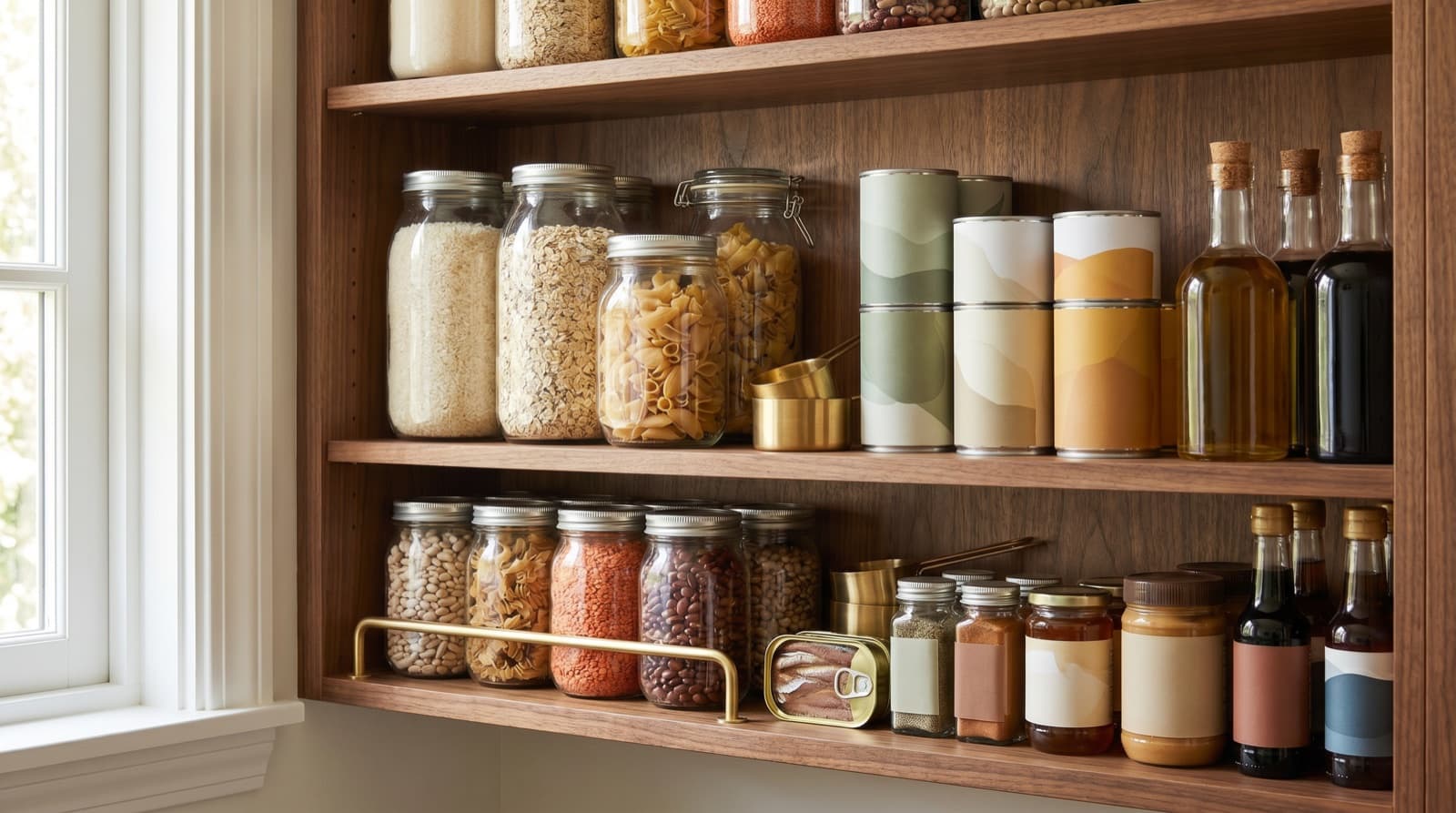
Condiment waste is sneaky. No single jar feels expensive, but the collective drift — the duplicate mustards, the salad dressing bought for one recipe, the chutney from two Christmases ago — adds up to a fridge door you can’t close and a steady trickle of half-full jars into the bin. Sauces, spreads and dressings are exactly the sort of long-life, easily-forgotten food that WRAP flags as needless waste: thrown out on a guess rather than because they’ve actually gone. The reassuring part is that most condiments are far more robust than we treat them.
Why Most Condiments Last So Long
Condiments are, for the most part, preservation in a bottle. The things that make them taste good — vinegar’s acidity, salt in soy and fish sauce, sugar in ketchup and jam — are the same things that stop bacteria and mould from getting a foothold. That’s why a bottle of soy sauce shrugs off a year in the cupboard while a tub of fresh pesto is gone in a week. The useful mental model: the more a condiment relies on acid, salt or sugar, the longer it keeps; the more it relies on eggs, oil emulsions or fresh ingredients, the faster it turns.
All the figures below are for condiments after opening, stored as the label suggests. Unopened, nearly all of them last well beyond their printed date.
How Long Each Condiment Lasts (Opened)
The long-haul crowd (months to a year+)
- Soy sauce, fish sauce, Worcestershire — 1 year+; so salty they barely spoil, just dull.
- Mustard (yellow, Dijon) — 1 year+; vinegar keeps it sharp for ages.
- Hot sauce — 6 months–1 year; vinegar and chilli do the preserving.
- Honey — effectively indefinite; crystallised just needs gentle warming.
- Vinegar — effectively indefinite.
The dependable middle (a few months)
- Ketchup — 6 months in the fridge (about a month at room temperature).
- Jam & marmalade — 6–12 months; watch for cap mould.
- BBQ sauce — 4 months.
- Peanut butter — 3 months opened (natural, oily kinds shorter; keep them chilled).
- Maple syrup — 1 year in the fridge once opened.
The short clock (days to weeks)
- Mayonnaise (commercial) — 2 months; homemade only 3–4 days.
- Tartare & creamy dressings — 1–2 months.
- Fresh pesto — ~1 week (jarred, ambient pesto lasts longer until opened).
- Guacamole & fresh salsa — 3–5 days.
Which Condiments Actually Need the Fridge?
The honest answer: more of them are fine in the cupboard than the labels imply, but refrigerating almost always makes them last longer and taste better, so the fridge is the safe default. The clearest split is by what’s doing the preserving.
Refrigerate after opening anything egg- or dairy-based — mayonnaise above all — plus tartare sauce, creamy dressings, fresh pesto, guacamole and salsa. These have real spoilage risk and the fridge is non-negotiable. Most ketchup, mustard and BBQ bottles also say “refrigerate after opening,” and it’s worth following: they’re safe at room temperature for a while but keep their colour and flavour far longer when chilled.
Shelf-stable but better cold are the salt-and-acid heavyweights: soy sauce, fish sauce, hot sauce, vinegar and honey don’t need the fridge and won’t come to harm in a cool, dark cupboard. Chilling soy and hot sauce simply preserves their punch over months. Honey should never go in the fridge — cold makes it crystallise faster. When you genuinely can’t tell, follow the label, and if there isn’t one, refrigerate; the only cost is a bit of shelf space.
The Cap Is Where Condiments Die First
Long before the contents expire, the neck of the bottle goes wrong. Crusty build-up around the rim and under the cap traps moisture, air and food residue — a perfect little harbour for mould and bacteria that then drops back into the jar. Most “my ketchup grew mould” stories start at the cap, not in the bulk of the sauce.
Two habits fix nearly all of it. Don’t double-dip: a knife carrying toast crumbs or a spoon that’s been in your mouth seeds a jar of mayo or peanut butter with exactly what spoils it. And wipe the rim before you re-cap so the lid seals clean. Store bottles upright and tightly closed, and the contents will comfortably reach the shelf life they’re built for.
How to Tell a Condiment Has Gone Off
Happily, the checks are nearly identical across the whole fridge door. Bin a condiment when you find:
- Mould — around the cap, on the surface, or anywhere it shouldn’t be.
- An off, sour or fermented smell — distinct from the condiment’s normal tang.
- Fizzing or bubbling — a sign of unwanted fermentation, common in jams and tomato-based sauces gone wrong.
- A sharp colour change — significant darkening or a layer that’s turned, beyond gentle separation.
- Separation that won’t stir back in — especially curdling in mayo and creamy dressings.
A little oil separation in natural peanut butter or pesto is normal — stir it back in. Crystallised honey isn’t spoiled at all. And a bottle that’s simply past its best-before date but looks, smells and tastes completely normal is almost always a quality decision, not a safety one.
The Real Fix Is Knowing What You’ve Got
Condiment waste is rarely about spoilage — it’s about memory. You buy a second mustard because you forgot the first; the dressing from one recipe never reappears; the chutney migrates to the back and stays there. The cure is the same one that answers every shelf-life question: a system that knows what’s in your kitchen, roughly how long it’s been there, and nudges you to use the jar you opened before you buy its replacement.
That’s part of why we built Pantree. It keeps track of what you’ve already got and surfaces it when you’re cooking or shopping — so the half-jar of pesto turns into dinner this week, and you stop buying a third ketchup you don’t need.
For the bigger picture, see how to stop wasting food and our full shelf-life reference for 30+ foods. It also helps to organise your fridge so food stops rotting. For the rest of the series, see how long cheese lasts, milk, eggs, and leftovers.
The Point
Most of your fridge door is tougher than you think: ketchup gives you half a year, mustard and soy sauce the better part of one, honey essentially forever. The exceptions to actually watch are the egg-and-oil ones — mayo, creamy dressings, fresh pesto — which run on weeks, not months. Refrigerate when in doubt, keep the cap clean, never double-dip, and date the jar when you open it. Do that and the condiment shelf stops being a graveyard of guesses and goes back to being the most useful corner of the fridge.
Frequently Asked Questions
How long do condiments last in the fridge once opened?
It varies enormously by condiment. The acidic, salty and sugary ones last for months: ketchup keeps about 6 months opened, yellow mustard a year or more, soy sauce and hot sauce roughly a year, and jam 6–12 months. Egg- and dairy-based ones are far shorter: mayonnaise lasts about 2 months after opening, tartare sauce and creamy dressings 1–2 months, and fresh pesto only about a week. The general rule is that the things that act as their own preservative — vinegar, salt, sugar — buy time, while anything built on eggs, oil emulsions or fresh herbs is on a much faster clock.
Do condiments actually need to be refrigerated after opening?
Many don't, but refrigerating almost always makes them last longer and taste better. The labels are the safe guide, and most ketchup, mustard and mayonnaise bottles say 'refrigerate after opening' — follow that for mayo especially. That said, high-acid or high-salt condiments like soy sauce, fish sauce, hot sauce, vinegar and honey are shelf-stable and fine in a cool cupboard; they just keep their colour and punch longer if chilled. When in doubt, refrigerate: the fridge slows everything down and the only real downside is cupboard space.
Does ketchup go bad?
Yes, eventually, but slowly. Ketchup is acidic enough from tomatoes and vinegar and sweet enough from sugar to resist spoilage for months — about 6 months opened in the fridge, and roughly a month at room temperature if you prefer it that way. It rarely grows dangerous; what happens instead is gradual quality decline: it darkens, separates, and the flavour flattens. Bin it if you see mould around the cap, smell anything fermented or fizzy, or the texture has gone watery and odd. Otherwise a darkened bottle past its best-before date is usually a quality call, not a safety one.
How long does mayonnaise last after opening?
Commercial mayonnaise keeps about 2 months in the fridge once opened — far longer than people fear, because it's made with pasteurised eggs and plenty of acid, not raw egg. Homemade mayo is a different story: with raw egg and no commercial acidity it's safe for only 3–4 days refrigerated. Either way, keep mayo cold and use a clean spoon — the fastest way to ruin a jar is double-dipping a knife covered in toast crumbs, which seeds it with bacteria. Throw mayo out if it smells sour, has darkened or yellowed sharply, or has separated into oil and a curdled layer.
Which condiments last almost forever?
The salt-and-acid heavyweights. Soy sauce, fish sauce and Worcestershire sauce are so salty they keep a year or more opened and don't truly spoil — they just dull. Vinegar is effectively immortal. Honey never goes off if kept dry; crystallised honey just needs warming. Pure salt and sugar don't spoil at all. Most hot sauces last a year-plus thanks to vinegar and chilli. These are the condiments to stop worrying about: store them sensibly and use your senses, but a best-before date on soy sauce or honey is closer to a suggestion than a deadline.
How can you tell if a condiment has gone off?
Use the same checks for nearly all of them: look, smell, and check the rim. Mould around the cap or on the surface, an off or fermented smell, fizzing or bubbling (a sign of unwanted fermentation), a sharp colour change, or separation that won't stir back in are all reasons to bin it. The cap and rim are where condiments go wrong first — crusty build-up traps bacteria and mould — so wipe the neck and keep the lid clean. When a condiment is well past its best-before date but looks, smells and tastes completely normal, it's almost always a quality decision rather than a safety one.
Stop buying a third ketchup.
Pantree tracks what’s in your kitchen and what to use before it turns. Free on the App Store.