How Long Does Dry Pasta Last? (And Uncooked Rice, Noodles & Grains)
Dry pasta and white rice are essentially indestructible — the dates on the packet are conservative quality markers, not safety deadlines. Brown rice is the exception that catches everyone out. Here’s what the shelf-life numbers actually mean for the dried carbs at the back of your cupboard.
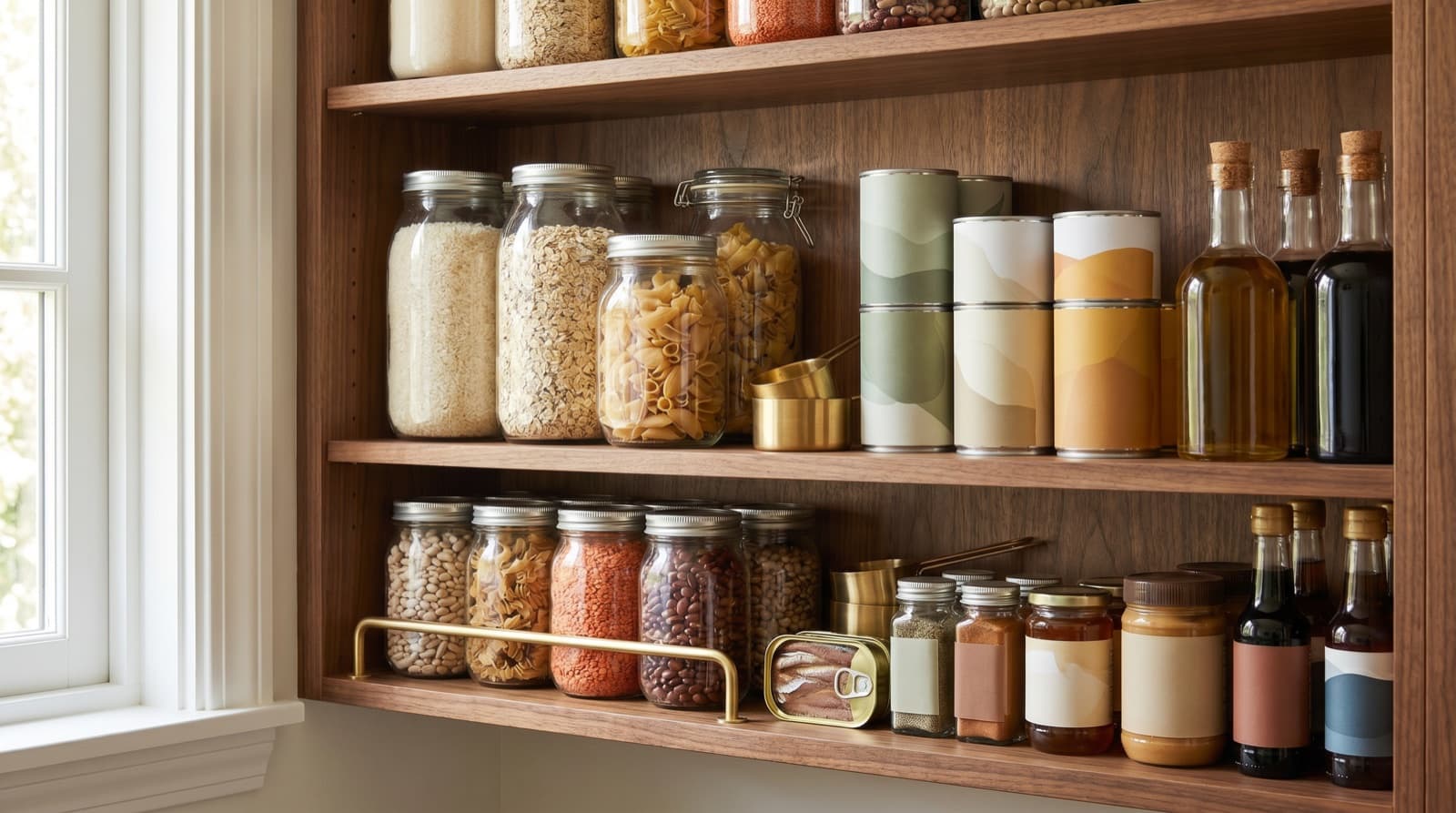
The Numbers at a Glance
| Item | Pantry life | Notes |
|---|---|---|
| Dry pasta (sealed) | 2 years (BB date); 1–2 yrs past | Quality degrades, remains safe |
| White rice (sealed) | 4–5 years at best quality | Safe indefinitely if dry and pest-free |
| Brown rice (pantry) | 6 months | Fridge: 12 months; freezer: indefinite |
| Wild rice | 4–5 years | Similar to white rice |
| Dried egg noodles | 1–2 years | Same rules as pasta |
| Dried rice noodles | 1–2 years | Low fat; keeps well sealed |
| Instant ramen (noodle block) | 6–12 months past date | Fat-fried block goes rancid |
| Quinoa, oats (whole grain) | 6–12 months pantry | Fridge or freezer extends to 2 yrs |
| Couscous, bulgur | 1–2 years | Low-fat, keeps like pasta |
Figures are consistent with FoodSafety.gov storage guidance and FDA guidance on shelf-stable foods. “Pantry life” assumes a cool, dry location in a sealed container. An open bag in a humid kitchen cuts these figures significantly.
Why Dry Pasta Has Such a Long Shelf Life
Commercial dry pasta is extruded and dried to a moisture content of around 12% or less — well below the ~14% threshold at which bacteria and mould can grow. At that moisture level, the pasta is essentially shelf-stable for as long as it stays dry.
The best-before date on a pasta packet is a quality marker, not an expiry. It reflects when the manufacturer expects the pasta to still cook with ideal texture and flavour. After that date, starch degradation continues slowly: pasta may cook a little softer, absorb sauce differently, or taste slightly flat. None of that is a food-safety issue — it is a palatability issue, and for most pasta dishes the difference is negligible.
The only scenarios in which dry pasta becomes genuinely unsafe:
- Moisture gets in, allowing mould to grow. A bag left open in a steamy kitchen can develop visible mould within weeks.
- Pantry pests colonise it. Weevils and flour moths are the most common culprits. Their eggs are microscopic and routinely pass quality control inside commercial packaging. Once hatched, larvae eat through pasta and leave waste behind — a contamination problem, not a staleness one.
White Rice: Basically Indefinite
White rice is milled to remove the bran and germ, stripping it of the natural oils that cause spoilage. What remains is almost pure starch — low in moisture, low in fat, and inhospitable to bacteria and mould as long as it stays dry.
The USDA and FoodSafety.gov cite 4–5 years for white rice at best quality in sealed storage. Beyond 5 years, the texture after cooking gradually worsens — the rice turns chalky or gummy — but food safety is not the concern. Emergency preparedness guides routinely cite 25–30 years for oxygen-sealed white rice in ideal conditions, and there are documented cases of 100-year-old rice being structurally intact (if not particularly pleasant to eat).
In practice: open a bag of white rice, decant it into an airtight container, put it in a cool cupboard, and forget about the date. The limiting factor will be pantry pests, not time.
Brown Rice: The Exception
Brown rice retains its bran layer, which is rich in polyunsaturated fats. These fats oxidise on contact with air and heat, producing the sour, oily smell of rancidity — the same process that limits nuts and seeds to months rather than years.
At room temperature in a pantry, brown rice goes rancid within 6 months of opening. Sealed in the fridge, it keeps for about 12 months. In the freezer — sealed to prevent freezer burn — it keeps indefinitely at good quality.
Rancid brown rice is unmistakable: a sour or paint-like smell when you open the bag, and a distinctly off taste once cooked. It is not dangerous in the way that bacterial spoilage is, but it is genuinely unpleasant and not worth eating. If you cook brown rice only occasionally, buy smaller quantities and refrigerate the bag immediately after opening.
Wild rice, despite the name, is a different plant entirely (a semi-aquatic grass) but behaves more like white rice — 4–5 years sealed in the pantry — because the processing removes most of its oil-bearing outer layer.
Noodles and Other Dried Grains
Dried egg noodles and rice noodles follow the same rules as pasta: 1–2 years sealed, degrading in quality rather than safety after the best-before date. Glass noodles (mung bean vermicelli) keep similarly well.
Instant ramen is the exception. The noodle block is deep-fried in oil before drying, which means the fat content is high enough to go rancid. Beyond 6–12 months past the date, the noodles take on a stale, slightly greasy flavour even before you cook them. The flavour sachets are a separate issue — the dried spices and MSG keep much longer than the noodle block.
Quinoa and oats contain more natural oil than pasta or white rice and are closer to brown rice in behaviour: 6–12 months in the pantry, significantly longer in the fridge or freezer. If you buy whole oats or quinoa in bulk, decant what you’ll use in a month into the pantry and keep the rest refrigerated.
Couscous and bulgur are made from durum wheat and behave like pasta: 1–2 years sealed, safely edible past the date.
The Actual Threat: Pantry Pests
The real risk with dried pasta and rice is not time — it’s pests. Weevils (small brown beetles) and Indian meal moths (flour moths) are the two most common culprits. Their eggs are laid in grain crops in the field and are microscopic enough to pass through commercial milling, drying, and packaging without detection.
Once in a warm pantry, the eggs hatch within a few weeks. The larvae eat through packaging and spread to neighbouring items. A weevil infestation typically starts in one item and spreads to everything nearby before it’s noticed.
Signs of pests:
- Tiny holes in the original packaging before you open it
- Small dark specks mixed into the pasta or rice (frass)
- Fine webbing or a silky film inside the bag or container
- Tiny moths flying in the kitchen (Indian meal moth)
Prevention is simple: transfer everything to airtight glass or hard-sided plastic containers as soon as you get home. The original packaging is not airtight and is no barrier to a determined weevil. A bay leaf placed inside each container is a folk remedy with some evidence behind it — the volatile oils repel but don’t kill insects — but airtight containers do the real work.
The Pantry Waste Pattern and the Fix
The most common waste scenario: buying a second bag of pasta or rice before finishing the first, then losing track of what’s already open. You end up with three half-used bags in the cupboard, none of them in airtight containers, and eventually one of them either gets pests or you just can’t remember how old it is and bin it out of caution.
Unlike fish or yoghurt, pasta and rice don’t need urgent attention — but they do need a system. Pantree tracks your pantry stock alongside your fridge, so you know before you go shopping that there are already two bags of fusilli open, and you don’t buy a third.
Frequently Asked Questions
How long does dry pasta last past its best-before date?
Dry pasta typically keeps for 1–2 years past its best-before date when stored in a cool, dry place in an airtight container. The date on the packet is about quality, not safety — properly dried pasta contains less than 12% moisture, which prevents microbial growth. After a year or two past the date, texture degrades: pasta cooks mushier and the flavour becomes slightly stale, but it remains safe to eat. The main threats are pantry pests (weevils, flour moths) and moisture, not bacterial spoilage.
How long does uncooked white rice last?
White rice stored in a sealed container in a cool, dark pantry keeps for 4–5 years at good quality, and remains safe to eat indefinitely as long as it stays dry and pest-free. The milling process that makes white rice removes the bran and germ — including the oils that cause brown rice to go rancid — leaving a shelf-stable starch. The Church of Jesus Christ of Latter-day Saints' long-term food storage guidelines (widely cited in emergency preparedness) put sealed white rice at 25–30 years, though at 5 years quality is already declining.
How long does brown rice last compared to white rice?
Brown rice lasts only 6 months in the pantry and 12 months in the fridge or freezer. This is dramatically shorter than white rice because brown rice retains its bran layer, which contains natural oils. These oils oxidise over time and eventually turn rancid — the process is the same one that limits the shelf life of nuts and seeds. Rancid brown rice smells sour, oily, or musty, and the cooked texture becomes unpleasant. If you cook brown rice infrequently, store it in the fridge or freezer from the moment you open the bag.
Does dry pasta go off or expire?
Dry pasta does not expire in a food-safety sense — it does not harbour dangerous bacteria at the moisture levels found in commercially dried pasta. What does happen over time: starch retrogradation makes the pasta cook mushier; the surface oxidises slightly and the flavour becomes flatter; and if moisture gets in, mould can eventually grow. The most common real-world problem is pantry pests. Always inspect pasta before cooking — tiny holes in the packaging, small dark specks in the pasta, or fine webbing inside the packet are signs of weevils or flour moths.
How long do dried noodles, rice noodles, and ramen last?
Dried egg noodles and rice noodles last 1–2 years past their best-before date in the same conditions as pasta — sealed, dry, away from light. Instant ramen noodles (with the fat-fried noodle block) have a shorter effective life than plain dried pasta: the fat content means the noodle block can turn rancid. 6–12 months past the date is a reasonable limit for ramen; beyond that the flavour deteriorates noticeably. Glass noodles (mung bean vermicelli) keep as well as white rice noodles — 2+ years sealed.
How can you tell if dry pasta or rice has gone off?
For dry pasta: look for small holes in the packaging, dark specks or webbing inside the bag (pests), or a musty or sour smell when you open it. Pasta that looks fine visually and smells neutral is safe to eat regardless of the date. For white rice: the same pest checks apply. For brown rice: smell it — rancid brown rice has a sour, oily, or cardboard-like smell even before you cook it. Cooked rancid rice smells and tastes worse. If in doubt, discard.
Know what’s in your pantry before you go shopping.
Pantree tracks your fridge and pantry stock, reminds you what’s running low, and turns what you already have into recipes for tonight. Free on the App Store.